
Photo guide
How to take pictures of a car to sell
Short answer
Clean the car completely, shoot in the first or last hours of daylight with the sun behind you, and find open space with nothing distracting behind the car. Hold the phone at mid-door height, fill the frame, and work a full list: eight exterior angles, the interior with the dash on, the odometer, tires, and every flaw. Around twenty honest, well-lit photos sell a car better than any description.
How do you take pictures of a car to sell?
Three inputs decide almost everything: a genuinely clean car, low soft light, and an uncluttered background. Get those right and a phone produces photos that stand next to dealership listings. Get them wrong and no camera or filter saves the shoot.
The standard worth copying is the dealer standard, because that is who your listing sits next to in the search results. A private seller’s photos compete with stores that shoot the same angles on every unit — so shoot like a store: full coverage, consistent height, nothing hidden.
Seven steps to listing photos that sell the car
- Clean it like the buyer is coming todayWash and dry the outside, dress the tires, vacuum the carpets, empty the trunk and console. Buyers read a clean car as a cared-for car, and every photo amplifies whichever story the surfaces tell.
- Find open space with a calm backgroundAn empty end of a parking lot, a plain wall, an open field entrance. Avoid the driveway with the garage clutter, the hedge, the neighbor’s trash cans — the background is part of the picture whether you notice it or not.
- Time the lightShoot in the first two hours after sunrise or the last two before sunset, sun at your back. Overcast is even easier — soft light with no harsh reflections. Never shoot into the sun, and skip midday if you can.
- Set the phone up onceWipe the lens, turn on the grid, leave HDR on, shoot landscape for exteriors, and never pinch-zoom — step closer instead. Tap the car on screen so the phone exposes for the paint, not the sky.
- Walk the exterior loopFrom mid-door height: three-quarter front, full profile, three-quarter rear, straight-on rear, straight-on front — then the angled shots again from the other side. Fill the frame; the car is the subject, not the scenery.
- Shoot the interior honestlyDoors open for light, ignition on so the dash and screen glow, a clear odometer frame, front seats, rear seats, cargo area. Interiors are where private-sale photos usually collapse — five extra frames here separate you from every rushed listing.
- Close with details and flawsTire tread, wheels, keys, engine bay, and close-ups of every scratch or ding. Photographing flaws yourself sets the story on your terms — the buyer who arrives already knowing about the door ding does not use it to grind the price.
What pictures to take when selling a car
The complete set, in the order buyers expect to see it:
- Hero shot: three-quarter front angle in good light — this is the photo that earns the click.
- Exterior coverage: both sides, both angled corners, straight-on front and rear.
- Interior: wide cabin shot, dash powered on, odometer, screen, front and rear seats, cargo space.
- Mechanical trust: engine bay, tire tread close-up, both key fobs.
- Honesty set: every flaw a buyer would find in person, shot close and sharp.
Are car photos with a phone good enough — or do you need a real camera?
A phone is enough, and it has been for years. The best way to photograph a car has almost nothing to do with the device: it is light, background, height, and coverage. Dealerships that sell cars on Facebook Marketplace move tens of thousands of dollars of metal with phone photos every day.
What a phone cannot do is override physics. Dusk shots come out grainy, noon shots come out harsh, and a cluttered lot stays cluttered. If the conditions are wrong, the fix is never a better camera — it is a better hour, a better spot, or software.
What if the light and background won’t cooperate?
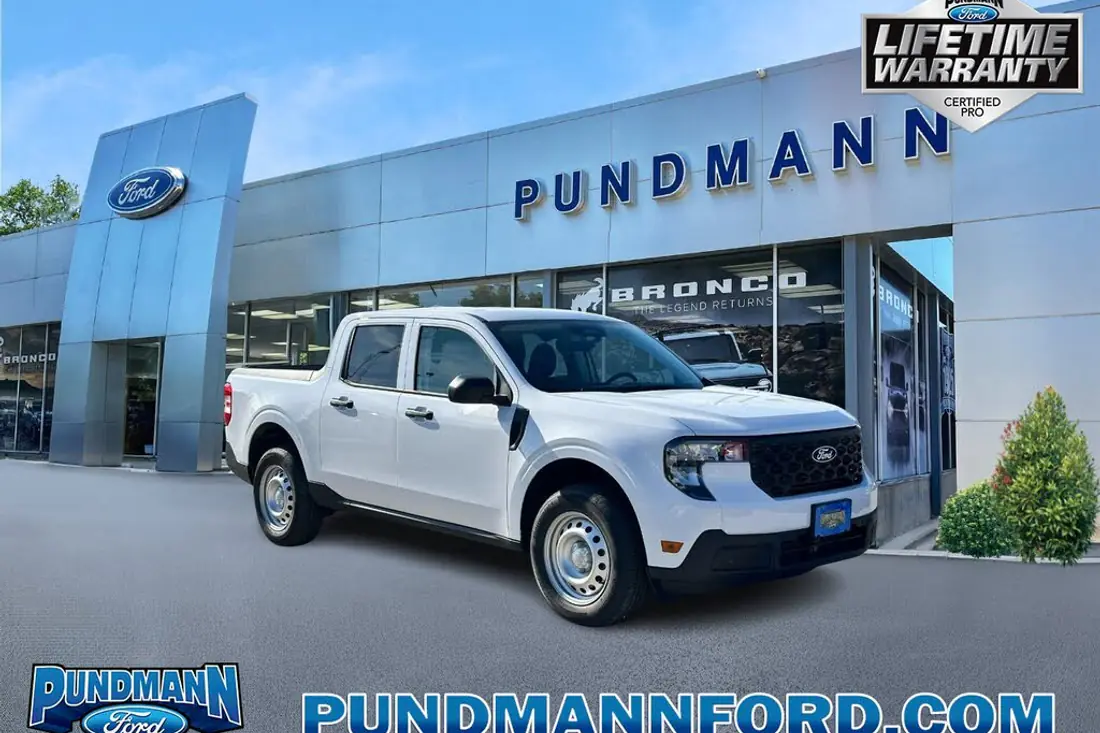
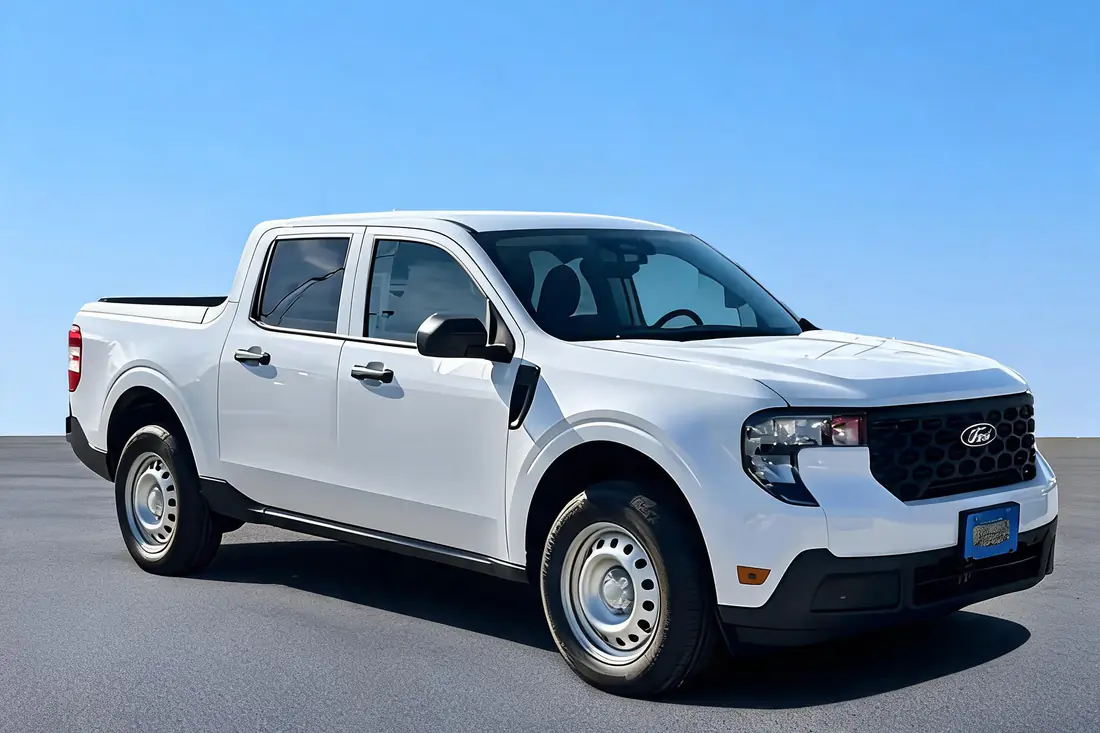
That is the honest limit of technique. If you are selling one car, wait a day for better weather — it costs nothing. A dealership photographing every unit that lands, in whatever weather the week brings, cannot wait, which is why stores run background replacement through an AI car photo editor: the real photo of the real car, re-staged in a clean scene, with the paint, wheels, and condition untouched.
The distinction that keeps it honest: changing the scene behind the car is merchandising; changing the car is misrepresentation. The first sells the appointment, the second blows it up on arrival.
Frequently asked questions
What is the best way to photograph a car?
Shoot a clean car in low, soft light — early morning or late afternoon with the sun behind you — against an open, uncluttered background, holding the camera at mid-door height. Cover eight exterior angles, the full interior with the dash powered on, and close with tires and flaws. Those conditions matter far more than the camera.
How many pictures should I take when selling my car?
Take thirty to forty frames and publish the best twenty or so. Serious buyers want full coverage: every exterior angle, the interior from several positions, the odometer, tires, and any damage. Listings with a handful of photos read as either lazy or evasive, and both interpretations cost you responses and negotiating position.
Should I photograph the flaws on my car?
Yes — close, sharp, and in the main photo set, not buried. A buyer who discovers a scratch in person that the photos hid stops trusting everything else in the listing and grinds the price. A buyer who saw the scratch up front already accepted it when they messaged you. Flaw photos filter out grinders and speed up the sale.
What time of day should I photograph my car?
The two hours after sunrise or before sunset, with the sun at your back — paint color reads true and reflections stay manageable. A bright overcast sky is just as good at any hour. Avoid midday sun, which creates harsh hot spots on the roof and hood, and avoid dusk, when phone sensors turn everything grainy.
How do dealerships take pictures of so many cars?
Volume stores run a fixed routine — one photo spot, one shot list, one porter — and let software handle the rest. Tools like AutoLander re-stage the backgrounds for consistency and then post the full photo set to Facebook Marketplace with each unit, so a forty-car lot stays fully photographed and fully listed without a photographer on payroll.
Dealer-grade photos without the dealer headcount
AutoLander re-stages your real car photos in clean scenes and posts every unit — photos, price, and details — to Facebook Marketplace automatically.
See plans & book a demo →Plans from $39/mo • 5 free posts • no credit card • cancel anytime