
Dealer photo guide
Car dealership photography tips: a process any porter can run
Short answer
Good dealership photography is a process, not a talent. Pick one photo spot on the lot, shoot in the first or last hours of daylight, walk the same shot list on every unit, and lock the phone settings once. A porter can produce consistent, dealer-grade photos in about fifteen minutes per car. AI background replacement then handles the one variable the process cannot: what is behind the car.
What are the best photography tips for a car dealership?
The single best tip is to stop treating photos as artistry and start treating them as a repeatable process. Buyers scrolling Marketplace or your website do not reward creative shots — they reward listings where every car is clean, well lit, fully covered, and consistent with the one next to it. Consistency is what reads as “professional store.”
That means the store needs a written photo routine any porter or salesperson can run without judgment calls: one staging spot, one time-of-day window, one shot list, one set of phone settings. Everything below is that routine.
The dealership photo process, step by step
Run this loop on every unit that hits the lot. Same order, every time — the order is what makes it fast.
- Stage the car before you touch the cameraWashed, dried, tires dressed, paper tags and window stock stickers off, seats vacuumed, no coffee cup in the console. A photo of a dirty car is an ad for a dirty car — no edit fixes it.
- Pick one photo spot and never improviseFind the emptiest corner of the lot — a plain wall, fence line, or open pavement with no other inventory behind it. Mark it. Every unit gets photographed in that exact spot so the background problem is solved once, not per car.
- Shoot inside the light windowFirst two hours after sunrise or the last two before sunset, sun behind the photographer. A bright overcast day is a gift — shoot all day. Skip high noon; overhead sun buries the roof in glare and the sides in shadow.
- Set the phone once and leave it aloneWipe the lens, turn the grid on, keep HDR on, and never pinch-zoom — walk closer instead. Zoom throws away resolution; walking preserves it. Hold the phone at mid-door height, not eye level.
- Walk the same exterior loopThree-quarter front from the driver side, full profile, three-quarter rear, straight-on rear, straight-on front, then repeat the angled shots from the passenger side. Fill the frame with the car every time.
- Shoot the interior with the doors openOpen both doors a minute to let light in. Wide shot from the driver door, dash and screen powered on, odometer readable, front seats, rear seats, cargo area. Buyers live inside the car — do not shortchange this set.
- Close with details and honest flawsWheel and tread close-up, key fobs, engine bay, and every notable ding or scratch. Flaws photographed on your terms build trust and end the phone haggling before it starts.
- Get the photos onto the listing the same dayA photographed car that is not posted is still invisible inventory. Stores that sell cars on Facebook Marketplace at volume push the photo set straight into the listing flow the day the unit is front-line ready.
How do you photograph cars for a dealership with just a phone?
Any recent phone is more camera than a car listing needs. The failures you see in dealer photos — murky color, blown-out sky, a car lost in a row of other cars — are light and background failures, not sensor failures. A phone shot in the right hour, at mid-door height, filling the frame, beats a DSLR shot at noon in a crowded row.
The phone habits that matter: clean the lens (pocket lint is the most common “soft photo” cause on a lot), shoot landscape for exteriors, tap the car on screen so the exposure sets for the paint rather than the sky, and take one extra frame of every angle so a blink-and-blur never forces a reshoot.
The vehicle photography checklist
Print this and put it on the wall where the porter clocks in. Roughly twenty frames per unit.
- Exterior: three-quarter front and three-quarter rear from both sides, full profile of both sides, straight-on front and rear — eight frames that prove the body is straight.
- Interior: wide from the driver door, dash powered on, odometer, infotainment screen, front seats, rear seats, cargo area with the floor visible.
- Details: wheel and tire tread, key fobs on the seat, engine bay, sunroof or third row if equipped.
- Honesty frames: every scratch, curb-rashed wheel, or worn bolster — shot close and in focus.
- One rule for all of them: the car fills the frame, and nothing else on the lot is in it.
Where does AI background replacement fit in the dealership photo process?
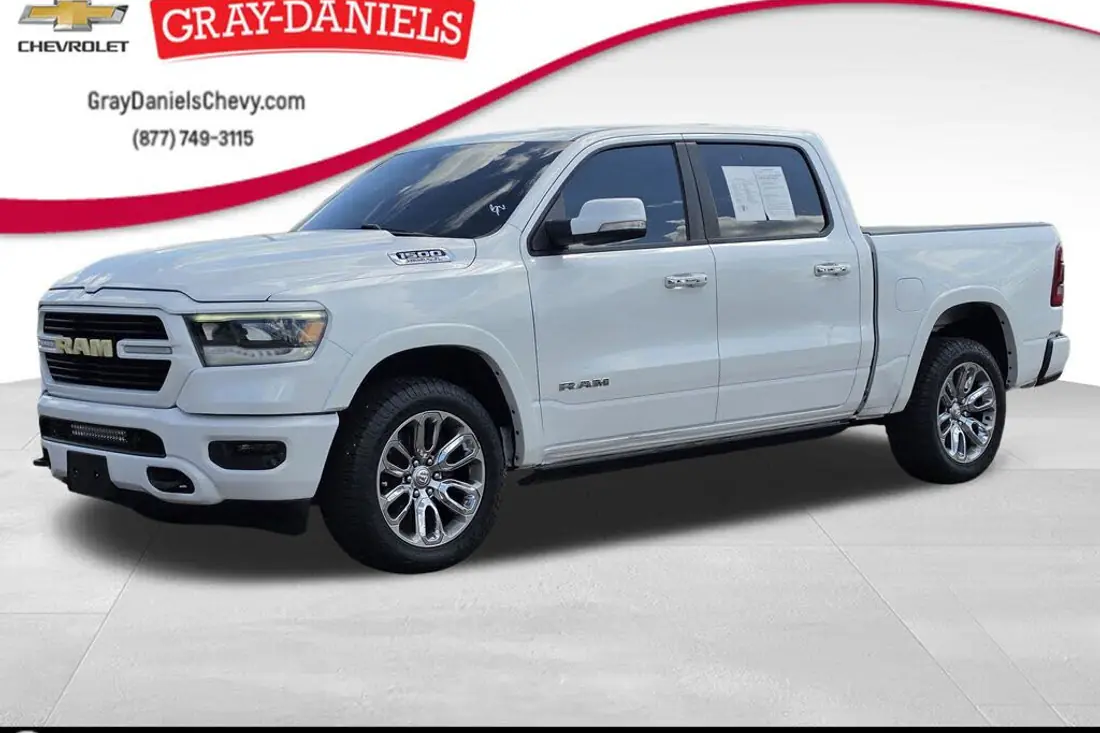
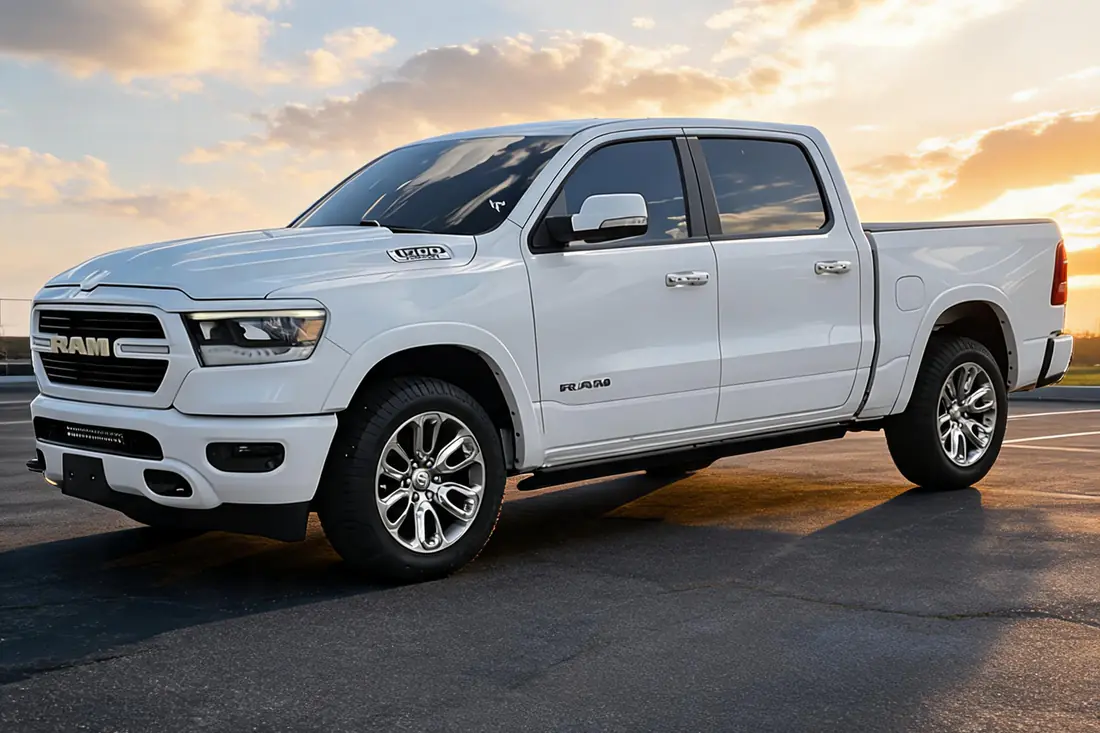
It solves the one variable the process cannot control: the background. The staging spot gets rained on, the lot fills up, the fence line gets a dumpster, winter kills the light window by 5pm. An AI car photo editor takes the porter’s real photos and re-stages the car in a clean, consistent scene — every unit on the site and on Marketplace ends up looking like it was shot in the same studio.
The order of operations matters: process first, AI second. Background replacement makes a well-shot car look showroom-grade. It cannot invent angles the porter never took.
Frequently asked questions
What time of day is best for dealership car photos?
The first two hours after sunrise and the last two before sunset, with the sun behind the photographer. Paint reads true, chrome and glass stop blowing out, and shadows stay soft. A bright overcast day works all day long. The worst window is midday full sun, which buries the roof in glare and the rockers in shadow.
How many photos should a dealership take of each car?
Around twenty frames covers a standard unit: eight exterior angles, six or seven interior shots, and a handful of detail and flaw close-ups. The target is coverage — every question a serious buyer would ask, answered in pictures — rather than hitting a magic number. Trucks and three-rows justify a few extra frames for beds and seating.
Should a dealership hire a professional photographer?
Most stores get further with a trained porter and a fixed process than with an occasional pro. A photographer shoots beautifully but visits weekly at best, while inventory turns daily — and the units that sell fastest are often photographed worst because they never waited for the pro. Consistency every day beats artistry once a week.
What equipment does a dealership need for vehicle photography?
A recent phone, a microfiber cloth for the lens, and a marked photo spot on the lot. That is genuinely the list. A tripod helps interior shots in dim weather, and a polarizing clip-on filter can tame windshield glare, but neither is required. Spend the budget on wash labor and posting discipline instead of glass.
How long should photographing one car take?
About fifteen minutes once the routine is muscle memory: two or three minutes staging at the photo spot, five for the exterior loop, five for the interior and details, and a minute to review for blur. A porter running the same loop on every unit will get faster without the quality dropping — that is the point of a fixed process.
Shoot it once — AutoLander makes it showroom-grade
AutoLander’s AI Photo Studio turns your porter’s real lot photos into clean, consistent listing images and posts them with every unit to Facebook Marketplace.
See plans & book a demo →Plans from $39/mo • 5 free posts • no credit card • cancel anytime