
Photo guide
How many photos should a car listing have?
Short answer
Enough to answer every question a serious buyer would ask in person — in practice, fifteen to twenty-five photos. Coverage beats count: eight exterior angles, a full interior set, odometer, tires, and honest flaw close-ups. Below roughly eight photos, buyers assume the listing is hiding something. And the first photo matters more than the rest combined, because it is the only one shown in the search results.
How many photos should a car listing have?
The right question is not “how many” but “is anything missing.” A car listing needs full coverage: every exterior angle, the complete interior, the odometer, the tires, and the flaws. Run that checklist honestly and you land between fifteen and twenty-five photos on most vehicles — more for trucks, three-rows, and RVs with more to show.
Count is a side effect of coverage. Padding a listing to thirty frames with near-duplicate angles helps nobody, and a tight twelve that answers everything beats a bloated thirty that repeats itself. The buyer is not counting — they are checking whether their next question has a picture.
Is there a minimum number of photos for a car listing?
As a working floor, treat eight as the minimum before a listing starts costing you trust: four exterior corners, one interior wide shot, the dash with the odometer, and two more covering seats and cargo. Below that, shoppers do the math silently — if the seller could not take ten pictures of a five-figure vehicle, either the effort or the vehicle has a problem. On Marketplace, where competing listings sit one thumb-flick away, a three-photo listing is effectively invisible.
The coverage checklist: a shot for every buyer objection
Every photo should retire a question. This is the map from the questions buyers actually ask to the frame that answers each one.
| Buyer objection | The shot that answers it |
|---|---|
| “Is the body straight?” | Three-quarter front and rear from both sides, in even light |
| “What is the far side hiding?” | Full profile of both sides — never just the pretty side |
| “How hard was it driven inside?” | Driver’s seat bolster, steering wheel, and pedals up close |
| “Do the electronics work?” | Dash and infotainment powered on, warning-light area visible |
| “How many miles, really?” | A clear, readable odometer frame |
| “Will I need tires soon?” | Tread close-up on at least one tire per axle |
| “What is wrong with it?” | Close, sharp frames of every scratch, ding, and worn spot |
| “Can it fit my family / gear?” | Rear seats and open cargo area with the floor visible |
What is the best first photo for a car listing?
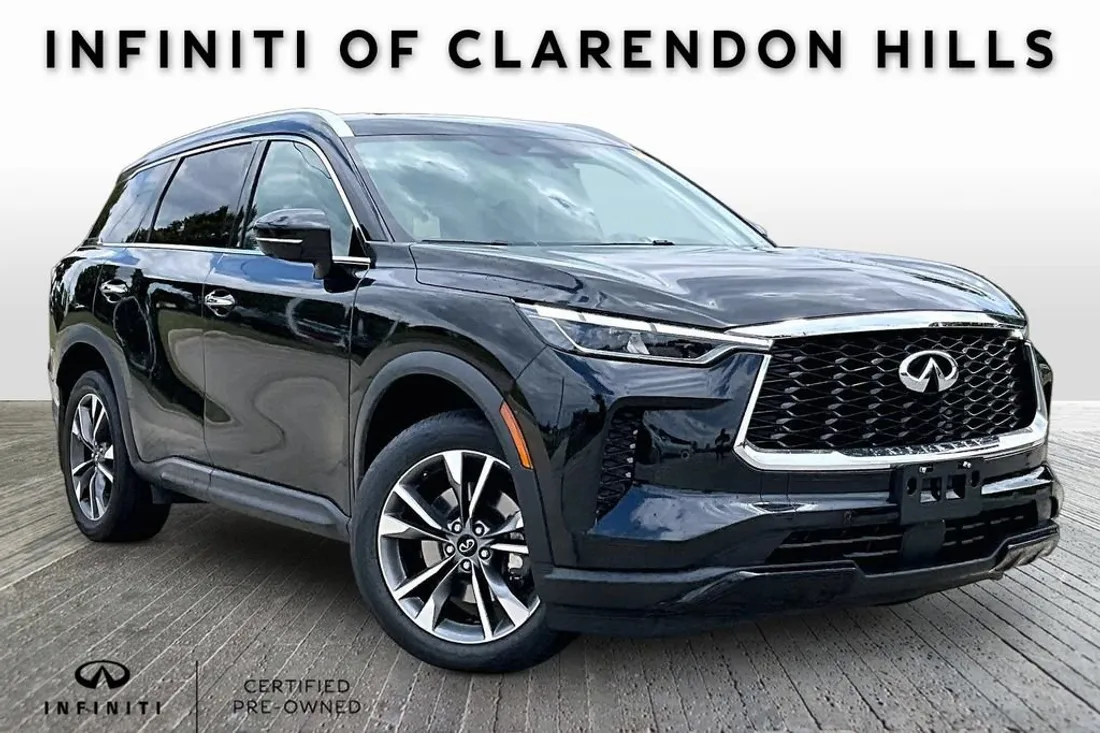
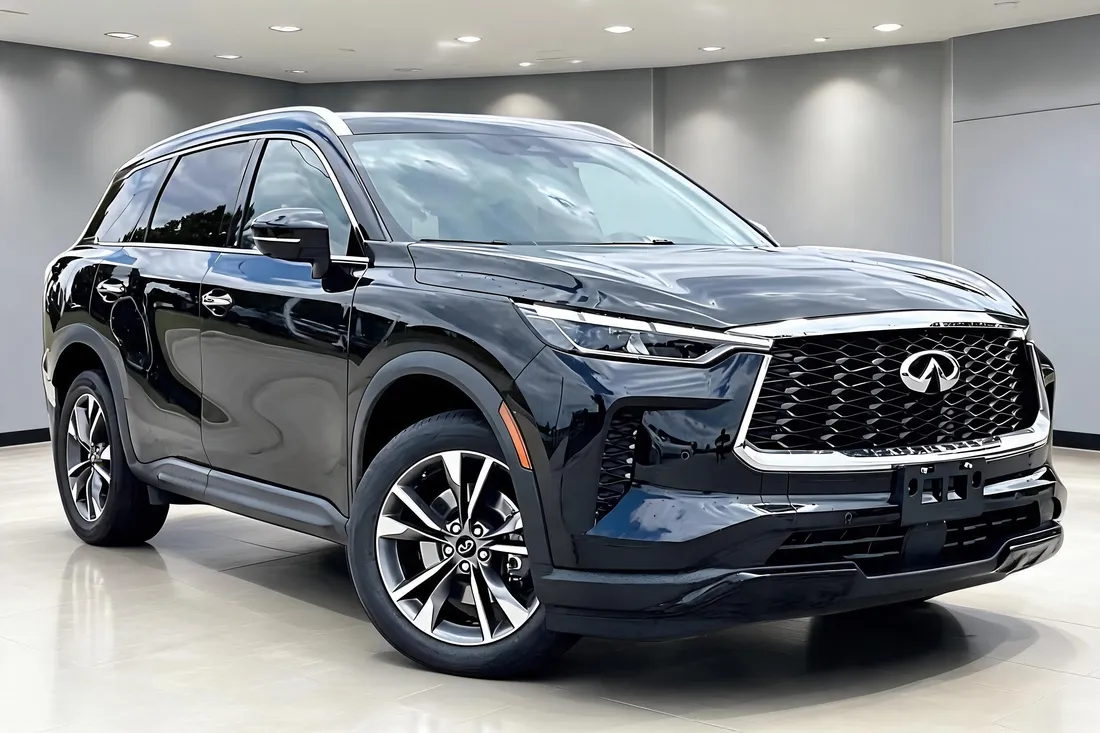
A three-quarter front shot in good light on a clean background — no promo frame, no banner text, no row of other inventory behind it. In the search grid, your first photo is a small thumbnail competing against dozens of others, and it decides whether anyone ever sees photos two through twenty.
This is where merchandising earns its keep: the same car with a cluttered or branded first frame gets scrolled past, while a clean re-staged hero from an AI car photo editor reads as a professional listing at thumbnail size — which is the only size that matters until the click.
What order should car listing photos go in?
Hero first, then the exterior loop, then interior, then details, flaws last — but present. The logic is a test drive in picture form: the buyer sees the car the way they would walk up to it. Never lead with an interior or a wheel; never bury the hero mid-set where the search grid cannot use it; and never end on your best shot, because the buyer who reached the flaws is the serious one — meet them there with honesty, not salesmanship.
The scale problem is the honest reason most dealer listings run thin. Twenty photos per unit times a forty-car lot is eight hundred uploads, repeated every time inventory turns — so hand-posted listings quietly shrink to five or six photos out of fatigue, not strategy. Software removes the fatigue: a tool that can bulk post cars to Facebook Marketplace carries the full photo set onto every listing, every time, and an auto poster keeps doing it as units come and go.
Frequently asked questions
Do more photos help a car sell faster?
More coverage helps; more repetition does not. Buyers shortlist listings where every question they have is answered visually — body condition, interior wear, mileage, tires. Once coverage is complete, additional near-duplicate angles add nothing. The gains come from filling gaps: the second side of the car, the odometer, the flaw close-ups most sellers skip.
Should I include photos of flaws and damage?
Yes, near the end of the set — visible, close, and sharp. Flaw photos filter your inquiries toward buyers who have already accepted the condition, which makes showings faster and price grinding rarer. Hiding a flaw that the buyer will find in ninety seconds on the lot converts a small objection into a trust collapse.
Are stock photos okay for a car listing?
No. A stock image of “a” silver SUV is not evidence about your silver SUV, and shoppers know it — listings without real photos of the actual unit get skipped or flooded with “is this real” messages. Re-staging a real photo on a clean background is different: the vehicle in the frame is still the vehicle for sale.
Does photo order matter on Facebook Marketplace?
Enormously, because the first photo is the listing as far as search results are concerned — it is the thumbnail buyers scroll past or tap. Lead with a clean three-quarter front hero. After the tap, order matters less, but a walk-up sequence — exterior, interior, details, flaws — keeps buyers moving through the set instead of bouncing.
Should every car on the lot get the same photo set?
Yes — the same shot list, the same order, the same style. Consistency across listings is what makes a store’s inventory read as professionally merchandised rather than assembled from leftovers, and it makes gaps obvious internally: when every unit has twenty frames, the one with nine gets fixed before a buyer ever notices.
Full photo sets on every listing, automatically
AutoLander posts every unit to Facebook Marketplace with its complete, showroom-grade photo set — and keeps price, status, and photos in step with your inventory.
See plans & book a demo →Plans from $39/mo • 5 free posts • no credit card • cancel anytime