
Photo guide
The best car photography angles, shot by shot
Short answer
Lead with the three-quarter front — it shows the car’s face and its depth in one frame. Then cover both full profiles, both three-quarter rears, straight-on front and rear, a complete interior set with the dash powered on, and detail close-ups. Shoot every exterior angle from mid-door height, fill the frame, and never skip the far side. Each angle exists to answer a specific buyer question.
What are the best car photography angles?
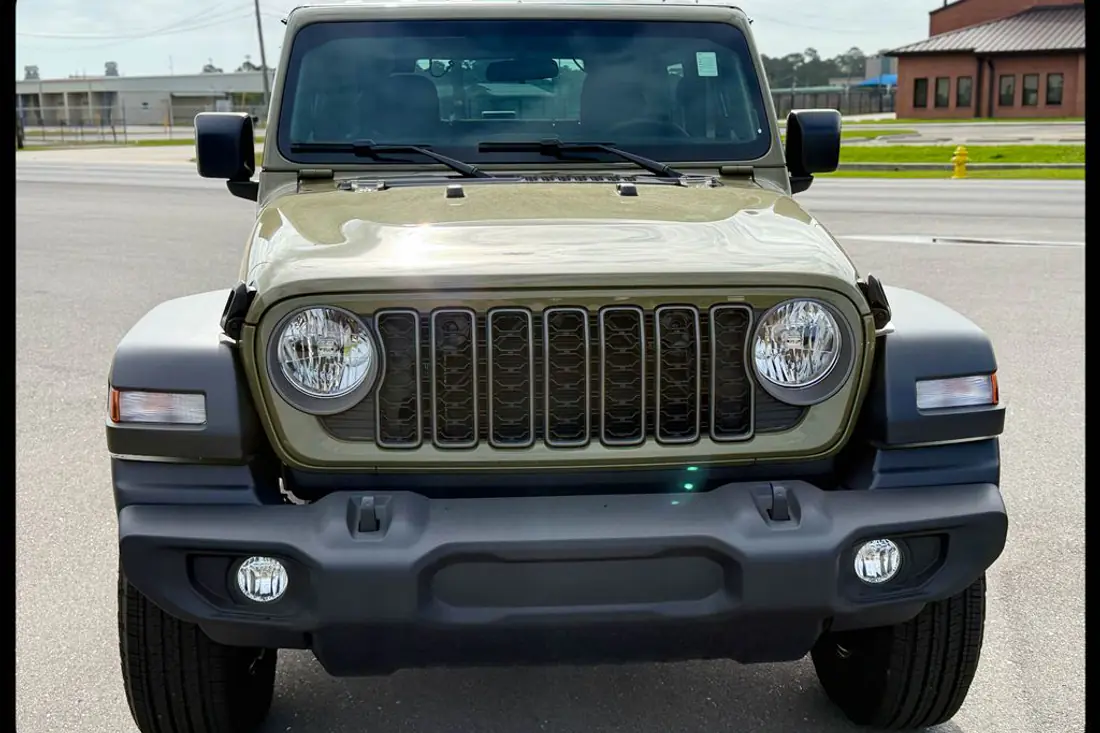
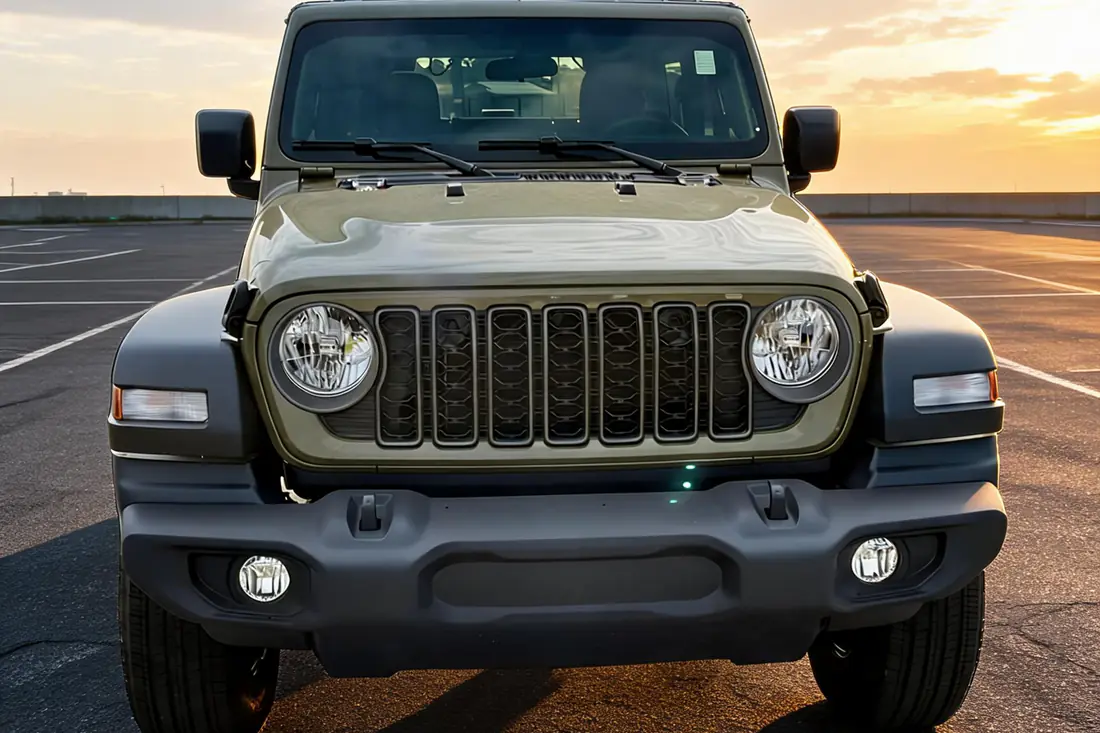
The set that sells a car is not a secret: three-quarter front, full profile, three-quarter rear, straight-on front and rear — from both sides where the angle differs — plus the interior and details. What separates dealer-grade photos from driveway photos is not exotic angles; it is shooting the standard ones at the right height, in the right order, without skipping the inconvenient ones.
Every angle is a claim of evidence. The buyer cannot walk around the car, so the angles do the walking — and any angle you leave out reads as a question you preferred not to answer.
Why is the three-quarter front angle the hero shot?
Because it is the only single frame that shows the car’s face and its body at once — grille, headlights, and stance, plus the length of the profile receding behind it. Straight-on shots flatten the car into a cardboard cutout; pure profiles hide the front end buyers identify with. Shoot it from mid-door height, roughly forty-five degrees off the nose, close enough that the car fills the frame. This is the photo that represents the listing in search results, so it gets the best light and the cleanest background of the whole set.
The angle-by-angle shot list
Walk the loop in this order. Each frame answers a specific question the buyer would otherwise have to ask.
- Three-quarter front, driver sideThe hero. Answers “what does this car look like?” in one frame — face, stance, and depth together. Best light and cleanest background of the day go here — or let an AI car photo editor supply the clean background afterward.
- Full profile, driver sideAnswers “is the body straight and the trim complete?” Shot square-on from mid-door height so panel lines stay honest and wheels stay round.
- Three-quarter rear, driver sideAnswers “what condition is the back corner in?” — the corner that takes parking-lot hits. Also shows the tail design buyers care about more than sellers think.
- Straight-on rear, then straight-on frontAnswers “is anything cracked, dented, or misaligned dead-center?” Bumpers, tailgate, grille, and lights, shot level so nothing distorts.
- Repeat the angled shots from the passenger sideAnswers the buyer’s most suspicious question: “what is the side they didn’t show me hiding?” The far side is the most-skipped set in amateur listings — and the most requested follow-up.
- Interior wide, from the driver doorAnswers “what will living in this car feel like?” Doors open for light, seat pulled back, one frame that takes in wheel, dash, and console together.
- Dash powered on, odometer readableAnswers “does everything work and how far has it gone?” Ignition on so the cluster and screen glow; a separate tight frame makes the mileage legible.
- Details: wheels, tread, seats, cargo, flawsAnswers the deal-closing questions — tire life, seat wear, trunk space, and the honest close-ups of every ding that would otherwise ambush the showing.
What interior shots do car listings need?
Six frames minimum: the wide shot from the driver door, the dash and cluster powered on, the odometer, the infotainment screen, the rear seats, and the cargo area. Add the driver’s seat bolster up close on higher-mileage units — it is the first place wear shows and the first thing an in-person buyer checks.
Interior shots fail in the dark. Open both doors for a minute before shooting, and let the phone expose for the cabin rather than the bright windows — a dim interior photo reads as a hiding place even when the cabin is mint.
Do
- Shoot exteriors from mid-door height — roughly bumper-to-mirror level.
- Fill the frame with the car; step closer instead of zooming.
- Cover both sides, even when they look identical.
- Keep the horizon level so the car does not appear to roll downhill.
- Power the dash on for every interior frame.
Don’t
- Shoot down at the car from standing eye level — it makes any vehicle look squat and small.
- Use ultra-wide mode up close; it bloats bumpers and warps panels.
- Shoot into the sun, which silhouettes the car and buries the paint.
- Crop wheels or roofline out of exterior frames.
- Skip the far side, the rear three-quarter, or the flaws.
Frequently asked questions
What angles should you photograph a car from?
Eight exterior frames: three-quarter front, full profile, and three-quarter rear from both sides, plus straight-on front and rear. Then the interior set — wide cabin, powered dash, odometer, screen, rear seats, cargo — and detail close-ups of wheels, tread, and flaws. That sequence answers every question a walk-around would, in the order a buyer would ask.
What height should the camera be for car photos?
Mid-door height — roughly the level of the mirrors, around chest-to-waist on most people. It matches how a buyer sees a car standing a few feet away. Standing tall and shooting down makes vehicles look small and squat; crouching to ground level adds drama but distorts proportions and hides the greenhouse. Consistent height across every unit matters as much as the height itself.
Should you photograph both sides of the car?
Always. Buyers assume the unphotographed side is the damaged side — it is the single most common suspicion in used-car listings, and it generates the follow-up message you will answer anyway. Shooting both sides costs ninety seconds and removes the doubt before it forms. If the far side does have damage, photograph it close and honestly; hiding it only defers the discovery.
What is the most flattering angle for a truck or SUV?
A slightly lower three-quarter front — nearer bumper height than mirror height — which emphasizes stance and tire size without warping the body. Trucks also earn two extra frames sedans do not need: the bed from the open tailgate and a straight-on rear showing hitch and bumper condition. Keep the lens standard, not ultra-wide; wide mode up close bloats fenders.
How do dealerships keep every listing’s angles so consistent?
A fixed loop and no improvisation: every porter shoots the same angles in the same order at the same height on every unit, usually from a printed checklist. Consistency across the lot is what reads as professional when a buyer browses a store’s Marketplace inventory — fifty units that all look shot by the same hand.
Shoot the angles — AutoLander handles the rest
Your team shoots the loop once; AutoLander re-stages the backgrounds, writes the description, and posts every angle to Facebook Marketplace with the unit.
See plans & book a demo →Plans from $39/mo • 5 free posts • no credit card • cancel anytime