
Dealer growth guide
How to sell cars online as a small dealership
Short answer
Selling cars online as a small dealership takes four pieces, not a tech stack: inventory listed everywhere local buyers actually search (Facebook Marketplace first), photos that compete with the franchise store’s, one named person owning every reply, and a simple path from chat to appointment to paperwork. The internet sells the appointment; the lot still sells the car. Consistency beats sophistication every month.
How do you sell cars online as a small dealership?
You build the minimum viable machine: (1) every unit listed where buyers already search — Facebook Marketplace first because it is free and local, portals as budget allows; (2) photos clean enough to compete with stores ten times your size; (3) one named owner for replies on every shift, answering in minutes; and (4) a rehearsed path from online conversation to test drive to signed paperwork. Nothing on that list requires a big website or a big budget.
What it does require is showing up every single day. The small stores that win online are rarely the cleverest — they are the ones whose whole lot is live, priced right, and answered fast on week 30, not just week 1.
Start by letting go of the idea that selling online means building a dealership website with checkout buttons. Buyers do not browse small-store websites cold; they find the car on a listing channel, then visit your site for maybe ninety seconds to verify the store is real. Your site’s job is verification — real photos, a price that matches the listing, an address, and a phone number that gets answered. The listing is the storefront.
That inversion is good news for a small dealership: the channels where the actual shopping happens cost little or nothing to enter, and the wider car dealership marketing playbook stacks them in order of return.
The online car sales process, end to end
From unit in recon to keys handed over — the loop a two-person store can actually run.
- Keep one source of truth for inventoryYour DMS export or website feed is the master record — year, trim, miles, price, photos. Every listing everywhere derives from it, so updates happen once. Tools connect to it directly; AutoLander, for example, syncs from CarGurus, Cars.com, or a custom feed export.
- List every unit where buyers searchFacebook Marketplace is the free anchor; portals extend reach when budget allows. Posting the whole lot daily is the chore that breaks most stores, which is what a Facebook Marketplace auto poster is for — coverage without the afternoon of clicking.
- Make the photos competeBuyers compare your listing against a franchise store’s in the same scroll. Consistent angles and clean backgrounds close most of the gap; an AI car photo editor closes the rest by re-staging your existing lot shots into showroom-grade scenes.
- Price to the market you are listed inOnline, the price is the filter — a unit priced against live local comps gets the click; a unit priced on hope gets scrolled past. Check comps when the car lists and on a schedule after.
- Put one name on every reply, per shiftSplit ownership means missed messages. One person owns the inbox each shift, phone in pocket, and answers in minutes — buyers message several stores at once and buy from the one that answers first. The speed-to-lead playbook is the standard.
- Advance every conversation toward a visitAnswer the question, then ask one: their name, their timing, whether they have a trade. Offer two concrete appointment windows instead of "come by anytime." The goal of online chat is a firm visit, not a pen-pal.
- Prepare the paperwork path before they arriveKnow your out-the-door number, have financing options and required documents listed plainly, and settle your deposit-and-hold policy in advance. Online buyers arrive further down the funnel — fumbling the desk work un-sells a sold car.
- Deliver, mark sold, and remove the listingsThe last step of every online sale is taking the listing down everywhere it lives. A sold car still advertised wastes the next buyer’s drive and earns the review you do not want.
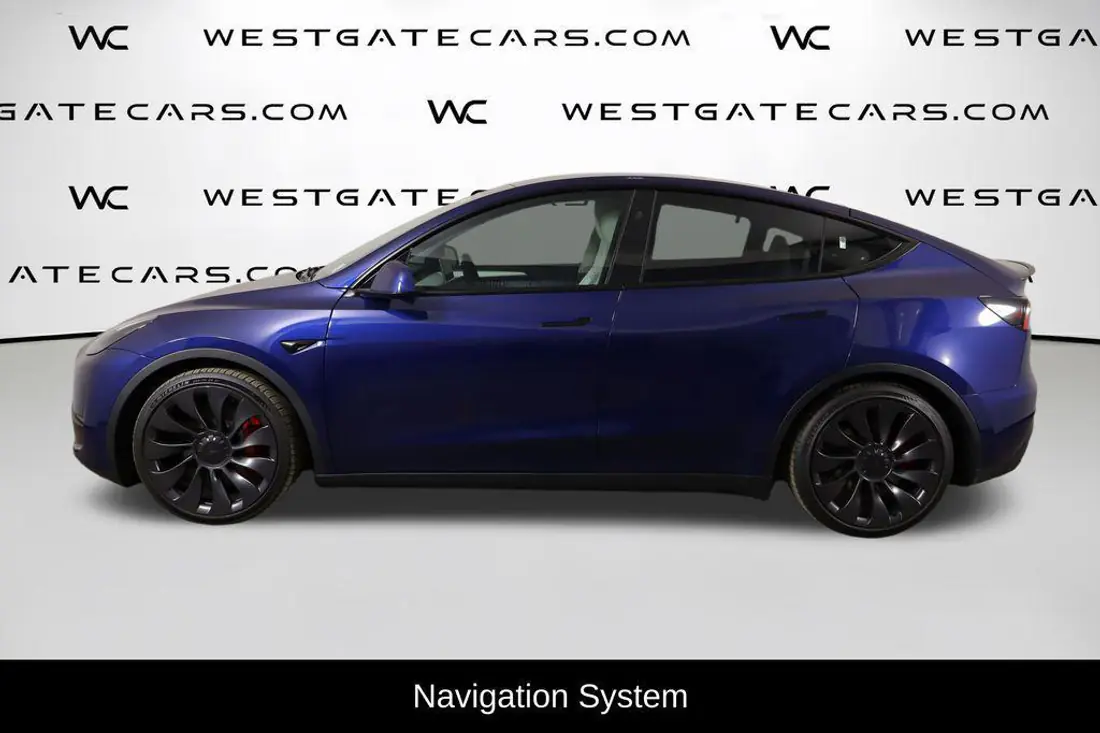
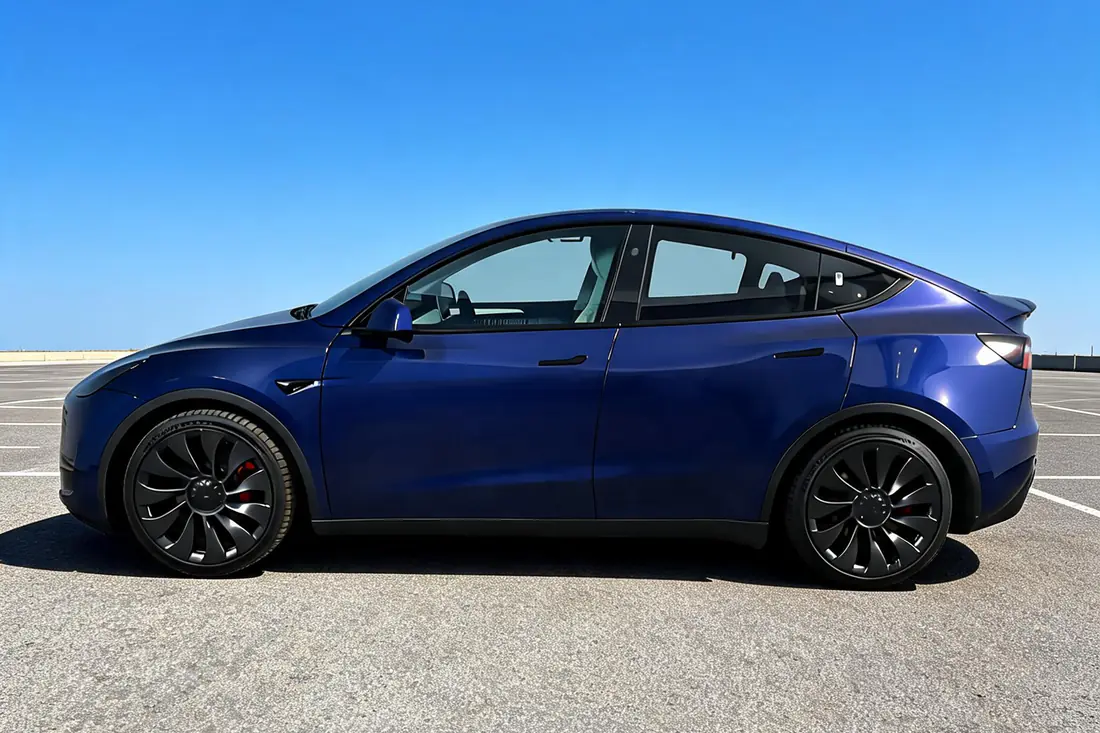
Do
- Show a real price on every listing, everywhere
- Answer during the hours you say you are open
- Sign replies with a first name — people buy from people
- Photograph the actual car, flaws included
- Ask for the visit in every conversation
Don’t
- Post "call for price" and expect messages
- Let listings go stale while the car sits in the showroom
- Paste one canned paragraph at every question
- Hide fees until the desk — online buyers compare out-the-door
- Leave sold units live "for the leads"
What does selling a car online actually close?
The appointment. For a local dealership, almost every online sale still ends with a person on your lot — the internet’s job is to get the right buyer to the right car with the right expectations. Measure your online machine by appointments set and show rate, not by whether someone clicked a buy button. Stores that internalize this stop chasing e-commerce theater and start answering messages faster.
Frequently asked questions
Can a small dealership really compete online?
Yes — online, nobody can see the size of your building. A buyer comparing listings sees photos, price, and how fast you answered. Those three are execution problems, not budget problems, and a disciplined two-person store routinely beats a sloppy twenty-person one on all three.
Do I need my own website to sell cars online?
You need a credible one, not a big one. Buyers find cars on listing channels and visit your site briefly to verify the store exists — so it needs real photos, matching prices, an address, hours, and a phone number that gets answered. Checkout flows and configurators are optional at best for a small store.
What software does a small dealership need to sell online?
A camera with a routine, an inventory feed or DMS export as the source of truth, a posting tool that keeps the lot live on Facebook Marketplace, and somewhere to track leads — even a shared sheet beats memory. Add paid portals when the free coverage is already running without heroics.
How fast should we respond to online car leads?
Within minutes during business hours. Online shoppers message several dealers in one sitting, and the store that answers first usually gets the appointment. Assign one owner per shift rather than sharing the inbox — shared ownership is how messages sit for three hours with everyone assuming someone else replied.
Where should a small dealer list cars first?
Facebook Marketplace, because it is free and full of local, in-market buyers. Then your own site as the verification layer, then a Google Business Profile so the trust check comes back clean. Paid portals come after those are consistently covered — they amplify a machine that already works.
Run a big store’s online machine with a small store’s staff
AutoLander posts the whole lot to Facebook Marketplace, upgrades the photos, syncs every price change, and pulls sold units — the daily grind of selling online, automated.
See plans & book a demo →Plans from $39/mo • 5 free posts • no credit card • cancel anytime