
Dealer playbook
Aged inventory: the 30/45/60-day playbook
Short answer
Aged inventory is any unit past your day-supply comfort line — commonly flagged at 30, 45, and 60 days on a used lot. Units age for three reasons: price position, presentation, or coverage, and the triage runs in that order of cost — check exposure first, reshoot the photos, reprice meaningfully, refresh the listing, and only pay to boost once price and photos are proven fixed. Past 60 days, the cheapest loss is usually the earliest one.
What counts as aged inventory at a car dealership?
Any unit whose days-on-lot have crossed the line where holding costs and depreciation start eating the deal — most used-car operations flag 30 days as a warning, 45 as an alarm, and 60 as a decision point. The clock starts at acquisition, not at the first listing, because the money is committed either way: floorplan interest or trapped capital, insurance, lot space, and a retail value that only moves one direction.
The management answer is a calendar, not a feeling. Aged units accumulate wherever the reprice conversation happens by argument in a sales meeting; they clear wherever a written triage fires automatically at 30, 45, and 60 days.
Why do units actually age?
Three causes, in rough order of frequency: price position (the car is listed above the field a buyer actually sees, so the filter hides it), presentation (the photos lose the scroll to better-merchandised listings at the same price), and coverage (the unit was never live everywhere it should be — or a listing quietly expired weeks ago). The diagnosis matters because the fixes cost wildly different amounts, and a mispriced car and an invisible car look identical on the aging report. Check coverage first; it is the free fix, and the marketing playbook treats it as the foundation for a reason.
The 30/45/60-day triage playbook
Written as a standing routine: every unit, every week, actions firing on the calendar.
- Day 1: put every unit on the age clockThe aging report runs weekly, sorted oldest first, with one named owner. Nothing below works if the list is only consulted when the lot feels full.
- Day 30: audit exposure before touching priceIs the unit actually live on Marketplace, the portals, and your site — at the current price, with the listing not expired? Flat leads on a live listing and a listing that silently died are different diseases. A Facebook Marketplace auto poster makes this a non-question by keeping the whole lot posted and renewed.
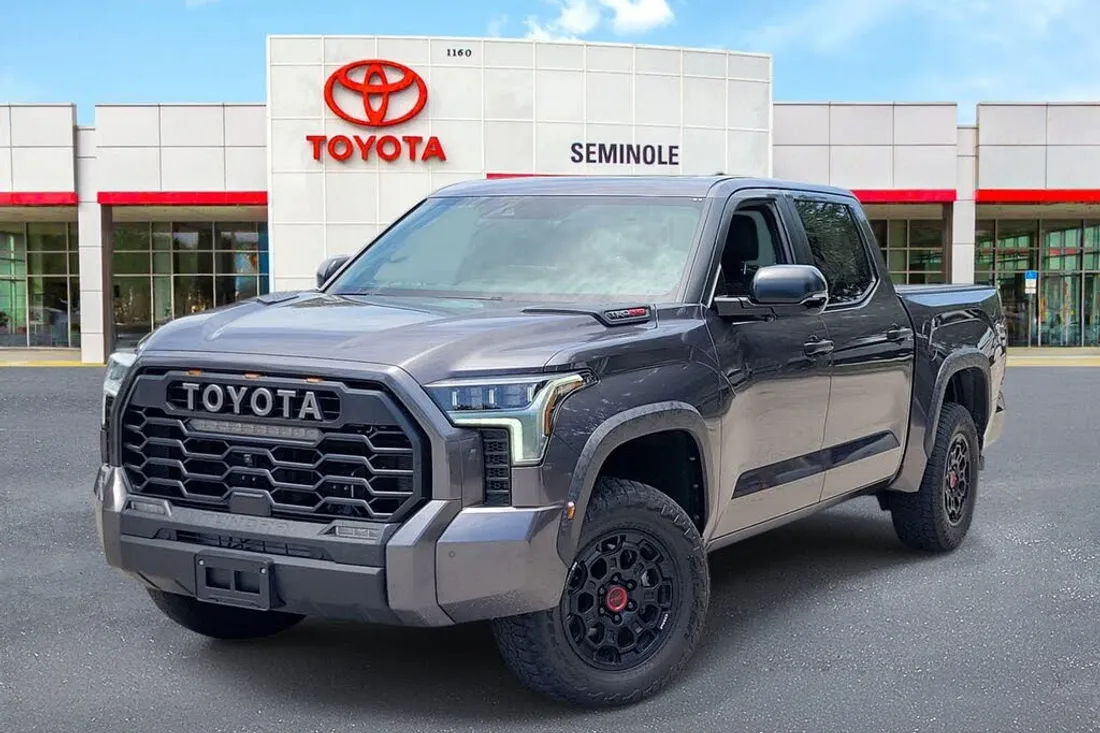
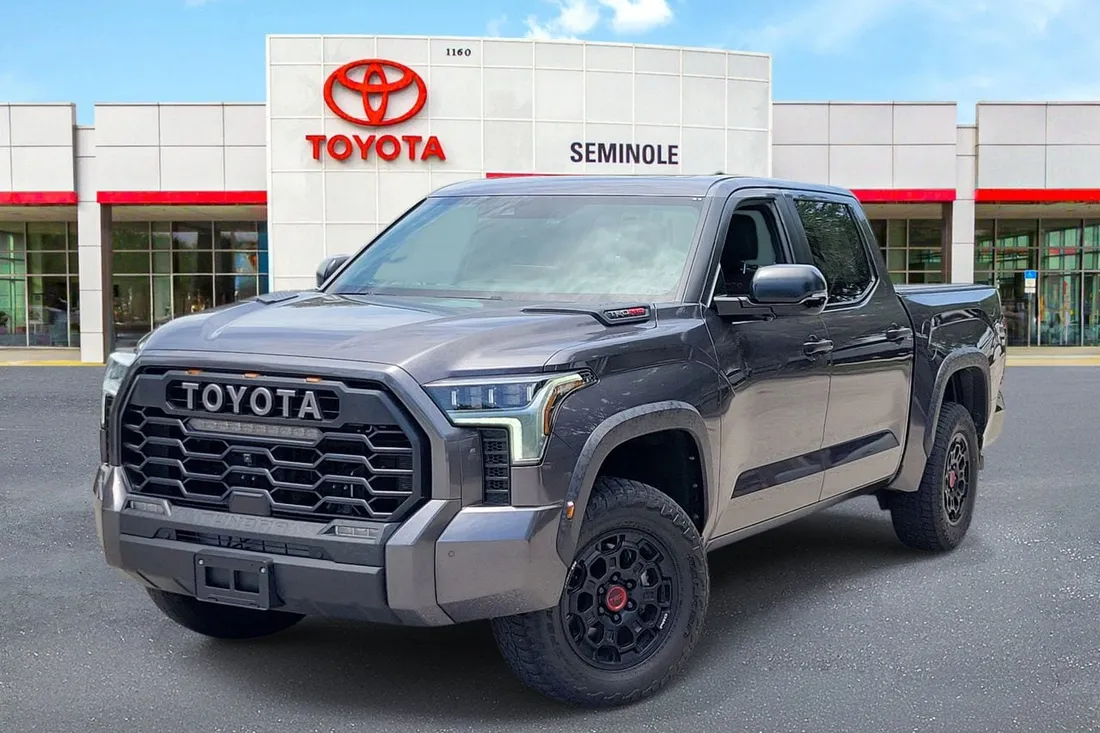
- Day 30: reshoot the photosA new lead photo is the cheapest facelift a listing can get. An AI car photo editor re-stages the existing shots into clean scenes in minutes — no re-photographing, no waiting for a sunny day — and a walkaround-style video gives the listing a second wind of attention.
- Day 30–45: reprice meaningfullyPull fresh comps and take a move that crosses a common search threshold, not a $100 nibble. Repricing is normal retailing, not defeat — 22.6% of dealer listings changed price after going live across 10,823 listings in AutoLander’s 2026 Marketplace report.
- Day 45: refresh the listing itselfRenew it so it stops sitting under weeks of newer listings, reorder the gallery behind the new lead photo, and rewrite the first line of the description — the aged unit should read like it was listed this morning, because to the next shopper it was.
- Day 60: now — and only now — consider paidA boost on a mispriced, badly shot listing is burned money. By day 60 the price is proven market-correct and the photos compete, so a small paid push or retargeting finally has a fair test — and a measurable one.
- Day 60+: set the exitDecide the wholesale floor and the date you will take it, in writing, before emotions argue for week twelve. The cheapest loss is almost always the earliest one you were willing to book.
The triage at a glance
| Day mark | Question to answer | Action |
|---|---|---|
| 30 | Was it ever really seen? | Verify coverage everywhere; reshoot the photos |
| 45 | Is the price telling the truth? | Meaningful reprice across a threshold; renew and refresh the listing |
| 60 | Is retail still the right exit? | Paid push on the fixed listing — or book the wholesale loss now |
Each action assumes the previous one happened. Paying to promote a unit that failed steps one and two just advertises the problem.
Aged unit marketing ideas that actually move cars
Once coverage, photos, and price are fixed, these add attention without adding much cost.
- Lead with a brand-new hero photo and a reordered gallery — returning shoppers see a different car
- Add a walkaround-style video; listings with motion hold attention longer than stills
- Move the unit physically to the front row — lot position is marketing too
- Feature it honestly on your social pages: "priced to leave this week" with the real number
- Reprice across a filter threshold so an entirely new price-capped audience sees it for the first time
- Pair it in conversation: every buyer who passes on a fresher unit hears about the aged one and its sharper price
Frequently asked questions
How long is too long for a used car to sit on the lot?
Most used-car operations treat 30 days as a warning, 45 as an alarm, and 60 as a decision point — beyond that, holding costs and depreciation usually outrun any remaining retail upside. The exact line varies by store economics; what matters is that the line exists in writing and triggers action automatically.
Should I drop the price or fix the photos first on an aged unit?
Photos first, by a few days — a reshoot costs minutes with an AI editor and works even when the price was right, while a price cut on an ugly listing rarely lands. Then reprice meaningfully if leads stay flat. By day 45 both should be done; they compound rather than compete.
Does renewing a Facebook Marketplace listing help an aged car?
Yes, modestly and mechanically: a renewed listing stops sitting beneath weeks of newer inventory and gets back in front of shoppers browsing recent posts. Pair it with a new lead photo and a real price move and the unit genuinely reads as new; renew alone, with the same stale photo and number, and shoppers scroll past it a second time.
When should you wholesale an aged unit instead of retailing it?
When the triage has genuinely run — coverage verified, photos fixed, price at the front of the field — and the unit still is not turning by your 60-day mark, the question becomes which loss is smaller. Book the wholesale exit you pre-committed to; the retail hope that argues for week twelve is how small losses become big ones.
Do paid boosts work on aged inventory?
Only as the last step. Paid attention on a mispriced or badly photographed listing just shows more people the reason it is not selling. Fix coverage, photos, and price first; then a small, unit-specific paid push at day 60 has a fair, measurable test — and if it still fails, the market has answered.
Stop building next month’s aged list
AutoLander keeps every unit posted and renewed on Facebook Marketplace, re-stages photos with its AI studio, and syncs each reprice automatically — the triage, running daily.
See plans & book a demo →Plans from $39/mo • 5 free posts • no credit card • cancel anytime