
Facebook’s new seller tools
Meta Muse: what happens to your listings when the buyer sends an AI
Short answer
Muse is a personal AI agent Meta announced on September 8, 2026. It runs on its own computer in Meta’s cloud, opens a browser, fills forms, negotiates, and checks out with the user’s card once they approve. It is US-only, invite-gated, and Meta has announced nothing for sellers or for vehicles. It still matters to a dealership, because an agent shopping for a buyer reads listing fields and skips anything with a placeholder price, missing mileage or a sold car still live. Everything that makes a Marketplace listing readable to Muse makes it sell better to a person today, and it is the same groundwork that lets Meta’s own AI, from today’s availability reply to Muse itself, answer the first buyer question about a car that is actually there. AutoLander lists the cars and keeps the facts true; Meta’s AI takes the conversation.
Every few years a Meta announcement lands in the dealer world with the same feeling: something big changed, nobody explained it for cars, and the store that works it out first gets a quiet advantage for a season. Muse is that announcement for 2026. Meta built it for the buyer, so nothing in it is aimed at a dealership, and that is exactly why it deserves ten minutes of a dealer’s time. The buyer is about to arrive with software, and software reads a listing differently than a person does.
What is Meta Muse?
Muse is a personal AI agent from Meta, announced on September 8, 2026. Where a chatbot answers questions, Muse does tasks. Each user gets a dedicated computer in Meta’s cloud with its own browser, and the agent uses it to send emails, manage a calendar, book a table or a flight, fill in forms, compare prices, negotiate, and buy things. Meta demonstrated it finding travel strollers, showing the price and the payment method, and waiting for a tap before paying.
Access is tight. It is available in the United States only, for adults, through a waitlist and invite codes, on iPhone, Android, the muse.ai website and inside WhatsApp, with AI glasses promised later. There is a free tier and two paid plans, Power at $20 a month and Maximum at $100 a month. It runs on Meta’s own Muse Spark model.
Two design choices matter for anyone selling online. First, the agent never sees the user’s passwords or card numbers; those are held outside it and swapped in at the edge, and purchases at new merchants use single-use card numbers. Second, a supervising system Meta calls Sentinel approves or blocks each action, and the person confirms a purchase before it happens. So a Muse buyer is a real person with a real card, with an assistant doing the legwork.
Mark Zuckerberg has said Meta plans to take a small cut of transactions, potentially paid by the business on the other side. Meta’s own materials list Marketplace among the places Muse can act for its user. Meta has shown no car purchase, and it has announced nothing for sellers.
Can Muse buy a car on Facebook Marketplace?
Nobody outside Meta knows yet, and the honest reading of the launch is that a full car purchase is a long way off. A car is a test drive, a title, a trade appraisal, financing paperwork and a signature, and none of that happens inside a browser session. What an agent can do today is everything a buyer does before they message you: search by budget and distance, filter by year and mileage, read every listing in the results, shortlist, and send the first message. Meta has shown Muse negotiating on price in other contexts, so a buyer telling it to ask for your best number is an ordinary request.
That first pass is where a dealership wins or loses, and it is the pass a machine does with no patience at all. A person scrolling Marketplace will open a listing with a $1 price to see what it really costs. An agent with a budget filter never sees it. A person will forgive a blank mileage field and ask. An agent that was told “under 60,000 miles” drops the listing because the field is empty. A person messages about a car that sold last week and gets annoyed. An agent marks the seller unreliable and moves on.
For a dealership the useful question is whether your listings survive being read by software. Most hand-posted dealer inventory does not, for reasons you can fix this week.
What a human buyer forgives and an AI agent does not
Marketplace listings were written for people. An agent reads the fields and ignores the charm.
| Listing habit | A person scrolling | An agent with instructions |
|---|---|---|
| $1 or $1,234 placeholder price | Opens it to find the real price | Outside every budget filter; never opened |
| Mileage left blank | Asks in a message | Fails a mileage filter; skipped |
| Year, make and model only, no trim | Guesses or asks | Cannot match a trim request; ranked below listings that state it |
| Sold car still live | Messages, gets no reply, moves on annoyed | Marks the seller unreliable for the next search too |
| Marketplace price higher than your website | May never notice | Cross-checks and reports the gap to the buyer |
| Three dark lot photos | Scrolls past | Cannot verify condition; prefers listings with full angles |
| Description in all caps with slogans | Skims it | Extracts nothing; title status and features read as missing |
| One clean listing per unit, real fields filled | Messages | Shortlists and messages |
Column three describes how a shopping agent with filters behaves in general. Meta has not published how Muse ranks Marketplace results.
What an AI shopping agent needs from a car listing
The list is short, and every item on it is also what a serious human buyer wants.
- The real advertised price, the same number as your website and your feed, updated the day the desk changes it.
- Exact year, make, model and trim in the fields Marketplace provides, so a filter can match them without reading the description.
- True odometer mileage in the mileage field. An unknown reading should stay blank rather than guessed, and a blank should be rare.
- Photos of the actual unit from every angle, interior and odometer included. An agent checking condition wants evidence, and so does the person it reports to.
- A description that states title status, condition and key features in plain sentences, with the store name and how to reach a person.
- One live listing per unit, and no listing at all once the car is gone. Duplicates and ghosts are what a machine punishes hardest.
- A posting profile that is established and, now that it is free, verified with the selfie check on Marketplace.
Make your Marketplace inventory agent-ready in a week
None of this needs Muse to exist. It pays off with the buyers you already have.
- Audit what is live todayOpen your Marketplace profile as a buyer would and count three things: units with a placeholder price, units with blank mileage, and units that sold but are still listed. Most stores that post by hand find all three in the first minute.
- Make the feed the source of truthPut the price, mileage, trim and photos in the inventory you already publish, whether that is the DMS, the website or a CSV drop, and post from it. When every listing is generated from the feed, the fields are filled the same way every time and a price change on the lot reaches Marketplace without anyone remembering to do it. The inventory sync page explains how that works.
- Pull sold units the day they sellA car that sold on Tuesday and is still listed on Friday is the single fastest way to look unreliable to both a person and a program. Automate the removal or assign it to a named person with a daily deadline.
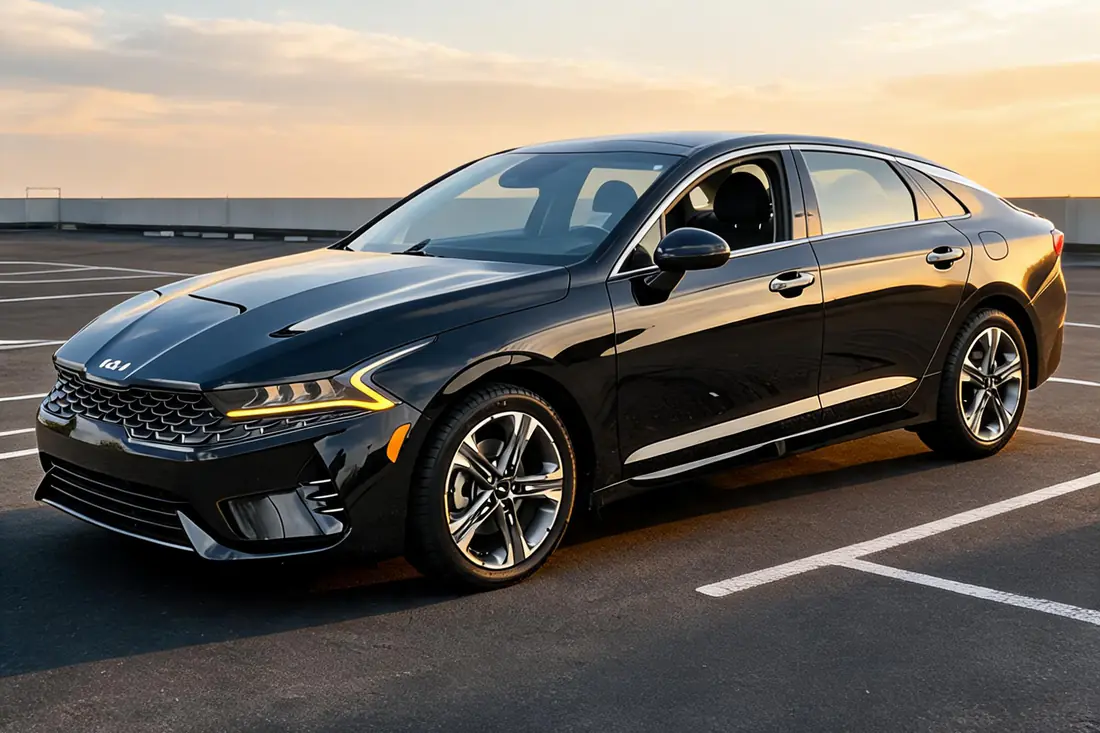
- Fix the photos on the units that get skippedLot photos at dusk with three other cars in frame give an agent nothing to verify. Run the skipped units through an AI car photo editor that keeps the real car, cleans the scene, and never repaints a colour.
- Write descriptions a parser can useState title status, condition, notable features and financing availability in plain sentences. Skip emoji and slogans. Put the dealership name and a phone number in every one.
- Answer the first message like it countsWhen an agent sends the first message, a fast reply is what turns a shortlist into an appointment, whether it comes from a salesperson or from Meta’s own AI reply on your account. Speed to lead is covered in our response time guide. AutoLander has no part in that step; it lists the cars, and your team or Meta’s AI takes it from there.
What does Muse mean for the dealer who still posts by hand?
It raises the price of every shortcut. A placeholder price used to cost a few messages. A blank mileage field used to cost a question. A sold car left live used to cost one annoyed buyer. When the buyer arrives with software that filters, cross-checks and remembers, each of those shortcuts costs the listing entirely, and nobody at the store finds out it happened, because there is no message to miss.
It also rewards the boring discipline that hand-posting stores rarely sustain: every unit posted, every field filled from the source, every price current, every sold car gone. A Facebook Marketplace auto poster that works from the feed does that discipline on a schedule, through your own logged-in session, and it is the same discipline behind the numbers in the Marketplace Used-Car Report 2026. Muse leaves the definition of a good listing exactly where it was and takes away the tolerance for a bad one.
How do Muse and AutoLander fit together?
The split is the same one Meta has been drawing for two years. Meta builds the buyer side and the conversation side of Marketplace. In March 2026 it gave sellers an AI reply that answers the availability question from the listing details, and Muse is the general version of that idea: a personal agent that acts inside your own accounts, Facebook included. Meta has not said Muse will work a seller’s Marketplace inbox yet. It is the obvious next step, and when it arrives it will be Meta’s own AI answering on Meta’s own platform, which is the one version of inbox automation that carries no account-health question.
AutoLander sits on the other side of that line, and stays there on purpose. It takes the inventory you already publish and turns it into Marketplace listings with the real price, the real mileage, full photos and a description an agent can parse, then keeps every one of them current and pulls the sold ones down. It has no inbox feature; that is a decision, explained in why we do not answer your buyers, and Muse is the reason the decision ages well.
So the working pairing looks like this. AutoLander lists the cars and keeps the facts true. A buyer, or the buyer’s Muse, finds the listing because the fields are filled. The first question comes in, and whoever you have chosen to answer it, a salesperson, Meta’s AI reply, or eventually your own Muse, is answering about a car that is actually there at the price that is actually on it. Everything AutoLander does upstream is what makes that reply safe to hand to a machine.
Frequently asked questions
What is Meta Muse?
Muse is a personal AI agent Meta announced on September 8, 2026. It runs on a dedicated computer in Meta’s cloud and does tasks for its user: email, bookings, forms, price comparison, negotiation and purchases, with the person confirming payments. It is separate from the Meta AI assistant inside Facebook and Instagram.
Is Meta Muse available now?
In limited form. At launch it is United States only, for adults, through a waitlist and invite codes, on iPhone, Android, muse.ai and WhatsApp. Wider access and AI glasses support were promised for later.
How much does Muse cost?
There is a free tier, plus two paid plans Meta announced at launch: Power at $20 a month and Maximum at $100 a month. Meta has also said it plans to take a small cut of transactions, possibly charged to the business on the other side.
Will Muse negotiate car prices on Facebook Marketplace?
Meta has shown Muse negotiating and checking out in other shopping contexts and lists Marketplace among the places it can act for a user, but it has not demonstrated a vehicle purchase or negotiation. Expect the first message and the first ask for a best price to arrive through an agent before any purchase does, and expect the person to still come in for the test drive.
Can Muse answer my Marketplace buyers for me?
Meta has not announced that yet. What exists today is Meta AI’s availability reply for Marketplace sellers, switched on per listing, which answers the “is this still available” question from the listing details. Muse is a personal agent that acts inside your own accounts, so a seller-side version is the natural next step, and this page will say so the day Meta ships it.
Does AutoLander work with Meta Muse?
Yes, by staying on its own side of the line. AutoLander lists and maintains your vehicle listings from your inventory feed so the fields an agent reads are filled, current and removed when the car sells. It has no inbox feature. If you let Meta’s AI reply, or Muse once Meta opens it to sellers, answer buyer questions, that runs on your own Facebook account and it is answering about listings AutoLander keeps accurate. There is nothing to connect.
Be the listing the agent picks
AutoLander posts every unit from your inventory feed with the real price, real mileage and real photos, keeps it current, and pulls it when the car sells.
See plans & book a demo →Plans from $39/mo • 5 free posts • no credit card • cancel anytime